Responsible travel in San Bernardo: how to care for the sea
Turquoise water, reefs just meters from the shore and quiet nights are why so many people travel to the San Bernardo archipelago.
Turquoise water, reefs just meters from the shore and quiet nights are why so many people travel to the San Bernardo archipelago. They are also its most fragile features. Brushing against coral, leaving a bottle on the beach or taking a photo in a community without asking may seem like small things, but together they change the very place we came to enjoy.
This guide brings together practical tips for responsible travel in San Bernardo: what to do before your trip, how to move around at sea and on the island, how to visit local communities respectfully and what not to take home as a souvenir.
Why responsible travel matters in San Bernardo
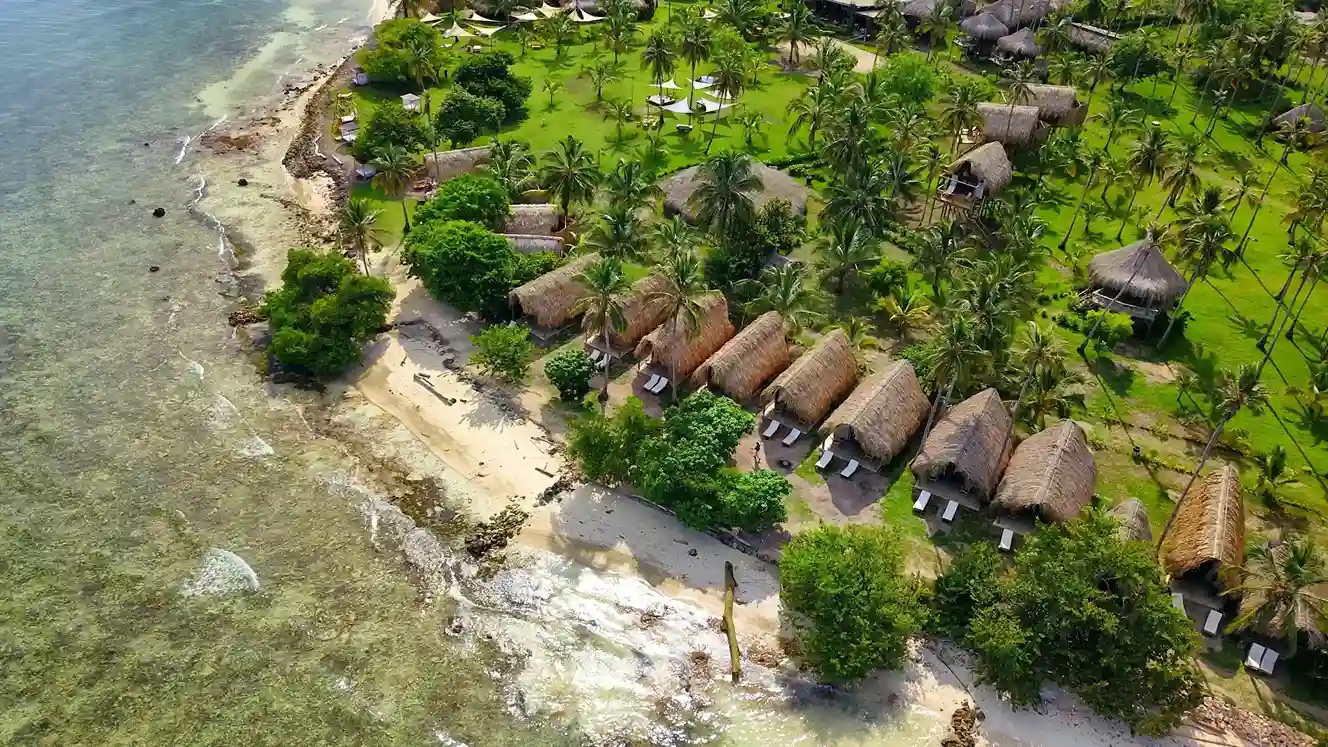
The archipelago is part of the Corales del Rosario and San Bernardo National Natural Park. The park mainly protects the marine area, with its coral reefs, seagrass meadows and mangroves, along with only a few islands, such as Mangle and Maravilla. The rest, including Isla Múcura, are surrounded by those protected waters.
That means almost everything you do on your trip happens in or right next to a protected ecosystem: swimming, snorkeling, boat rides or walks along the shore. Small communities that depend on the sea and on tourism also live in the archipelago. Traveling responsibly means caring for both.
Before you travel: what you can do from home
A good part of responsible travel is decided when you pack:
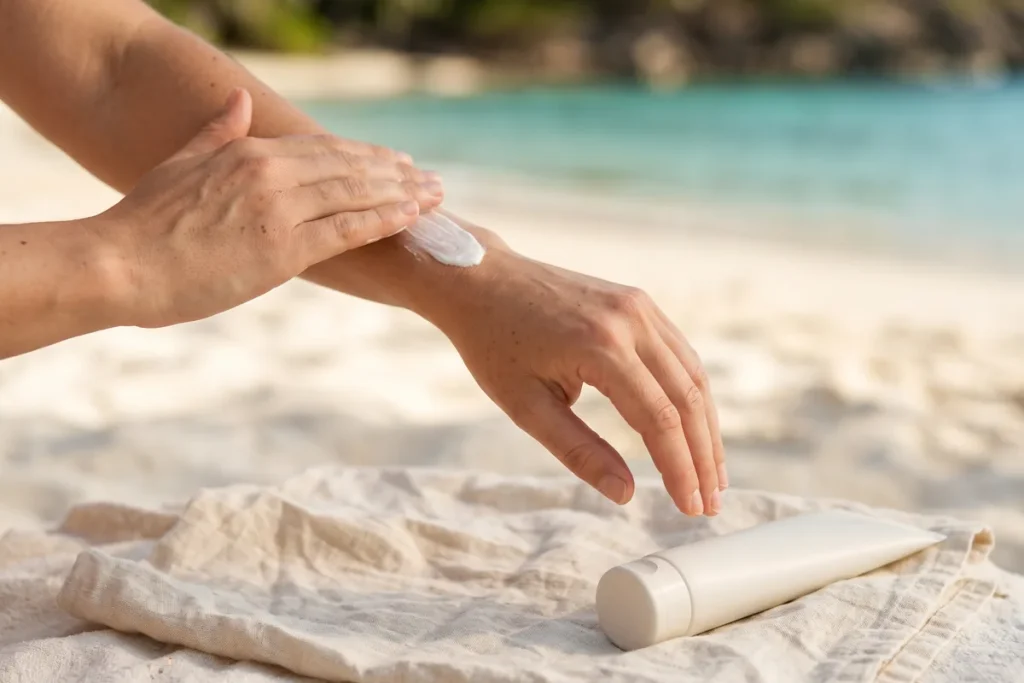
- Reef-safe sunscreen: regular sunscreen leaves residues in the water that harm coral. Look for one that is reef-safe and apply it well before getting in the sea.
- A reusable bottle: on an island, every disposable container has to leave by boat. Your own bottle cuts that volume a lot.
- A bag for your waste: handy on outings, boat trips and visits to other islands, where there is not always somewhere to leave it.
- Light luggage: the boat allows 8 kg per person. Traveling with only what you need also means less load on every crossing.
- Cash: there are no ATMs on the islands, and many local businesses only take cash. It is the most direct way for your spending to stay in the community.
At sea: how to look after the reef
Coral is a living animal that grows very slowly. The rules for swimming and snorkeling near it are simple: do not touch it, do not stand on it, do not feed the fish and keep your fins away from the bottom. We explain them in more detail in our guide to snorkeling without harming the reef.
On boat trips, follow the captain’s instructions and always wear your life jacket, which is mandatory. Departures depend on sea conditions and on approval from the maritime authority: if one is canceled, it is for safety reasons.
On the island: water, energy and waste
On a small island, resources that seem unlimited in the city are not:
- Fresh water: it is a limited resource in the archipelago. Short showers and not leaving taps running help more than you might think.
- Energy: turn off the air conditioning and lights when you leave your room.
- Waste: the hotel has recycling stations to sort waste. Using them properly helps recyclables get reused and everything else leave the island the right way.
- Single-use plastics: if you bring them, try to take them back with you. Whatever arrives on the island has to leave by boat.
With the community: visiting respectfully
Many travelers use their stay to visit other islands, such as Santa Cruz del Islote or Tintipán. These are places where people live, not backdrops. A few guidelines:
- Ask before photographing people, especially children, and respect it if someone prefers not to be in the picture.
- Buy from people who live there: crafts, food or drinks at local businesses.
- Listen to local guides: they know the history, the customs and the places worth visiting.
- Mind your noise and your trash as you would in the neighborhood of someone welcoming you into their home.
To better understand each island before you visit, see our guide to the San Bernardo Islands.
What not to take home
What looks like a harmless souvenir can damage the ecosystem, and in some cases it is prohibited:
- Coral, living or dead: its extraction and trade are prohibited in Colombia.
- Shells, conch and starfish: many still house living creatures, and empty ones shelter other species.
- Tortoiseshell products: tortoiseshell comes from the shells of endangered sea turtles, and its trade is also prohibited.
- Sand and stones from the beach: they are part of the shoreline’s balance.
The best souvenirs are your photos and what you experienced.
Quiet, dark nights
Nights on the island are calm and dark, and that is also part of caring for the environment. At the hotel, quiet hours run from 10:00 p.m. to 8:00 a.m. Keeping music low and using only the light you need helps other guests rest and protects the island’s wildlife. Without artificial light, the starry sky and the bioluminescent plankton also look far better.
If you travel with your pet
The hotel is pet friendly, and traveling responsibly with a pet is easy: keep it on a leash outside your room, pick up after it and respect the areas it cannot enter, such as the pool and the restaurant.
What the hotel does
At Hotel Isla Múcura, the surroundings are part of the experience, and caring for them is part of the daily work. You can learn about the hotel’s initiatives on the page about our commitment to sustainability.
Frequently asked questions about responsible travel in San Bernardo
What does the National Park protect in San Bernardo?
Mainly the marine area: coral reefs, seagrass meadows and mangroves. The park also includes a few islands, such as Mangle and Maravilla. The archipelago’s other islands, like Múcura, are surrounded by those protected waters.
What sunscreen should I use in San Bernardo?
A biodegradable, reef-safe one, applied well before getting in the sea so it does not wash off in the water. A long-sleeve shirt or rash guard also reduces how much sunscreen you need.
Can I take shells or coral home as a souvenir?
No. Extracting and trading coral is prohibited in Colombia, and shells, conch and starfish play a role in the ecosystem. The same goes for sand and stones from the beach.
Travel light and leave the sea as you found it
Traveling responsibly to San Bernardo does not take big sacrifices: good sunscreen, your own bottle and respect for the reef and the people who live here. If you have questions about preparing for your trip, message us on WhatsApp and we will help.